Research
Biofuels could strengthen Australia’s fuel security and create new markets for farmers

From canola and grains to sugar, tallow, and waste oils, Australia produces many of the feedstocks used to make biofuels around the world. In other agricultural exportering countries, domestic biofuel production reduces fuel import dependence and supports the farming sector. A local biofuel industry in Australia could bolster energy security, strengthen domestic value chains, and create new opportunities for farmers.
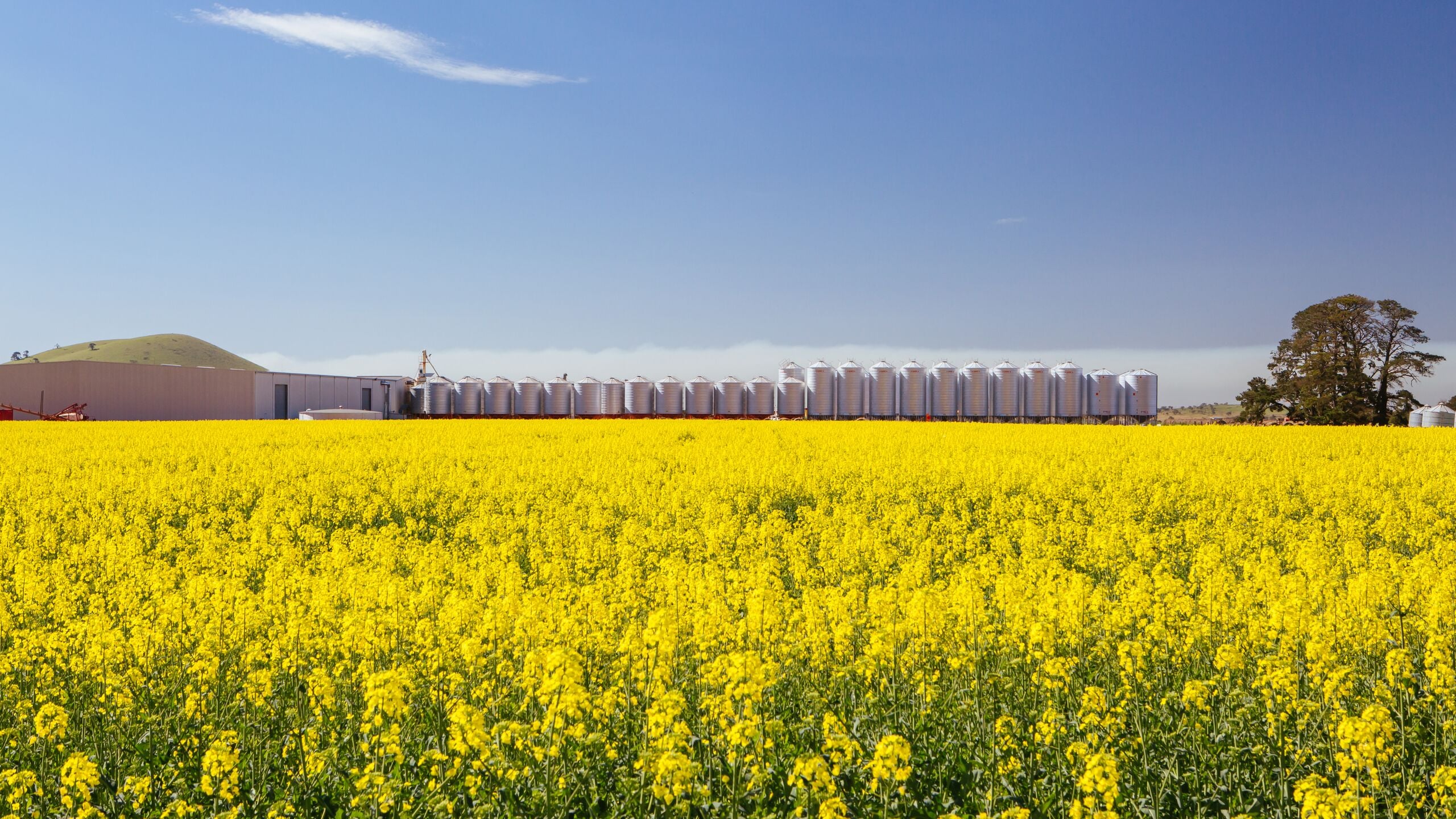
Australia imports about 80% of its diesel and other fuels, leaving farmers, freight operators, miners, and airlines exposed to global supply disruptions and price spikes. Other major agricultural exporters have reduced similar risks by producing biofuels from locally available crops, animal fats, and waste oils.
Brazil, the EU, and Indonesia produce biodiesel volumes that materially offset their diesel import requirements. The US, Brazil, and the EU also use large quantities of corn, sugar, vegetable oils, animal fats, and waste oils for biofuel production. Besides improving local fuel availability, the biodiesel industries in those countries also provide farmers and processors with significant additional outlets for oilseeds, grains, sugar, and livestock byproducts.
Australia has the feedstock base to pursue a similar opportunity. Existing canola exports could theoretically replace more than 9% of annual diesel use if converted to biodiesel, with further upside if canola acreage expanded and other feedstocks such as tallow, used cooking oil, cottonseed, and non-food oilseeds were included. Grain and sugar export volumes could theoretically replace about 10% and 20% of petrol use, respectively, if converted to ethanol.
Australian canola, sugar, and grain export volumes could theoretically replace more than half of Australia’s jet fuel needs if directed into sustainable aviation fuel production rather than biofuel production for road transport.
These figures show the scale of the opportunity, not an expected outcome. Developing a functional biofuels industry in Australia would require investment, reliable long-term policy, appropriate sustainability standards, and careful consideration of food, feed, export, and land-use impacts.
In a world where Australia’s competitors have greater fuel security and their farm products have less exposure to global export markets, Australia may want to consider using part of its agricultural production to build a more resilient and secure domestic fuel supply. A domestic biofuels industry could also provide a stronger domestic demand base for local farm products. Rather than exporting large volumes of feedstocks as unprocessed products, Australia could capture more value from processing while supporting jobs that might otherwise be created overseas.