Research
Modeling future seafood demand onto marine ingredient demand

Changing seafood preferences could increase demand for fish meal and fish oil, making feed innovation more important than ever.
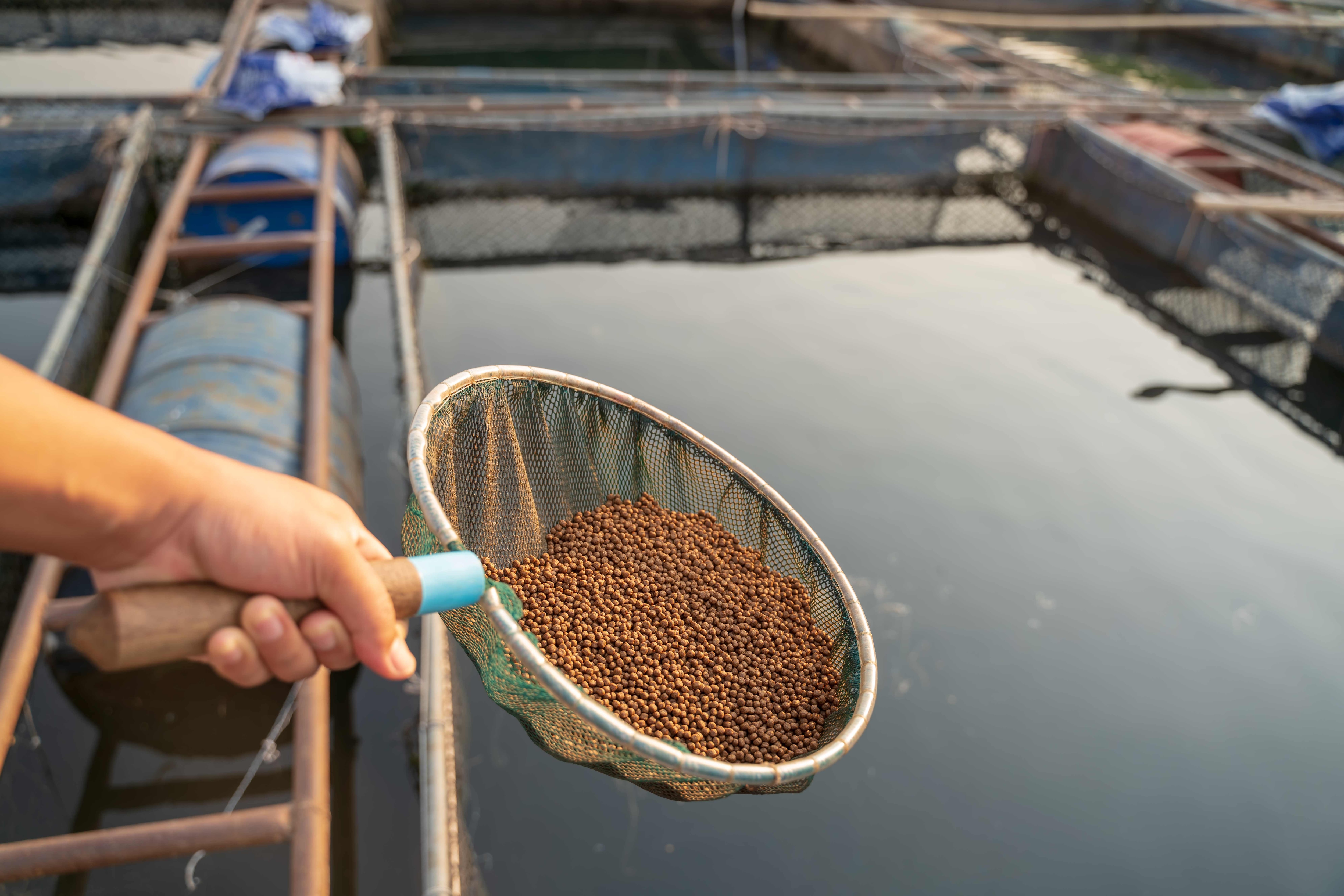
Aquaculture has driven global seafood supply growth for two decades while limiting fish meal and fish oil demand through lower inclusion rates, improved feed efficiency, and better feed formulations. However, future seafood demand in the US, Europe, and China is increasingly concentrated in species such as salmon, shrimp, and marine finfish that remain more dependent on marine ingredients. Under a baseline scenario of unchanged feed formulations, global demand could rise by around 900,000 metric tons of fish meal and 130,000 metric tons of fish oil by 2035. Combined with constrained marine ingredient supplies and growing climate-related disruptions, particularly linked to El Niño, this could tighten markets, increase prices, and accelerate innovation in alternative feed ingredients and efficiency improvements.
This is an exclusive article
Log in or sign up to request access