Research
Feeding the animal protein market in 2027


This paper assesses the 2027 feed-cost outlook for animal protein producers in the US and Mexico and identifies the market, supply-chain, and procurement risks most likely to affect the fundamentals of the animal feed market. Our base case is that average annual feed costs in 2027 will be higher than 2026 but remain rangebound.
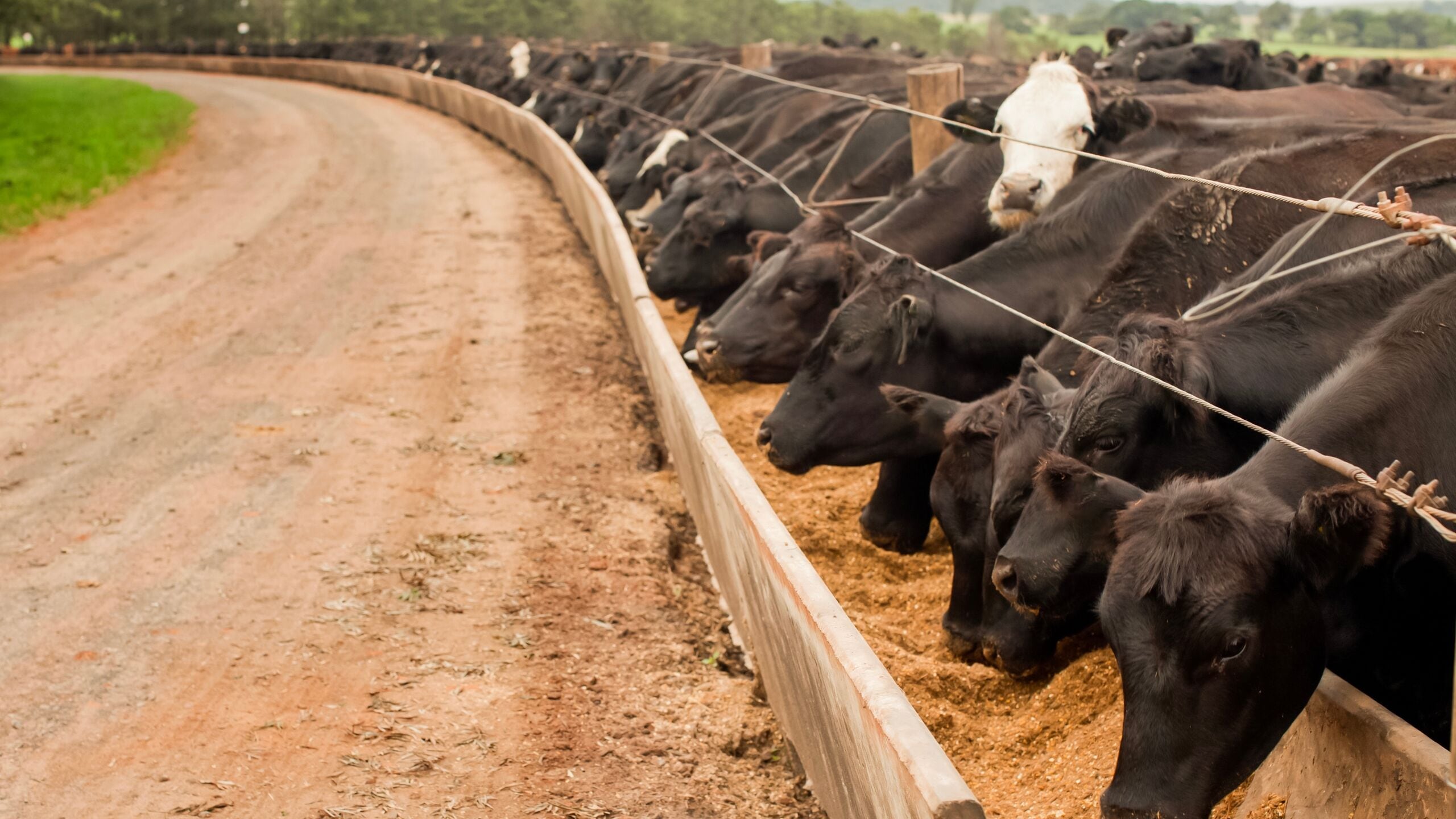
Base case: Feed costs remain manageable but do not return to pre-2026 levels. Adequate corn and soybean supplies, larger US inventories, expanding crush capacity, and greater ration flexibility should contain raw-material inflation. However, higher operating, energy, freight, and basis costs are likely to keep average delivered feed costs in the US and Mexico slightly above 2026 levels. Demand should remain resilient: US feed use is supported by more than merely the number of head, while Mexico continues to provide a stable outlet for US grains, soybean meal, co-products, and specialty ingredients.
The principal challenge is managing volatility and uncertainty in delivered feed costs. Weather, fertilizer use, Black Sea disruption, energy markets, logistics, exchange rates, and regional basis can quickly tighten availability or raise costs. Exposure will also shift as formulators rebalance corn, soybean meal, DDGS, sorghum, fats, forage, and additives in response to changing prices and availability. For CEOs and risk managers, the priorities will be to protect margins through flexible sourcing and formulation, maintain close oversight of regional logistics and forage conditions, and secure critical, low-volume ingredients where substitution is limited.