Research
Europe's dairy comfort zone is moving


Heat-related EU milk losses could nearly triple by 2050, increasing climate adaptation costs and putting further pressure on dairy competitiveness.
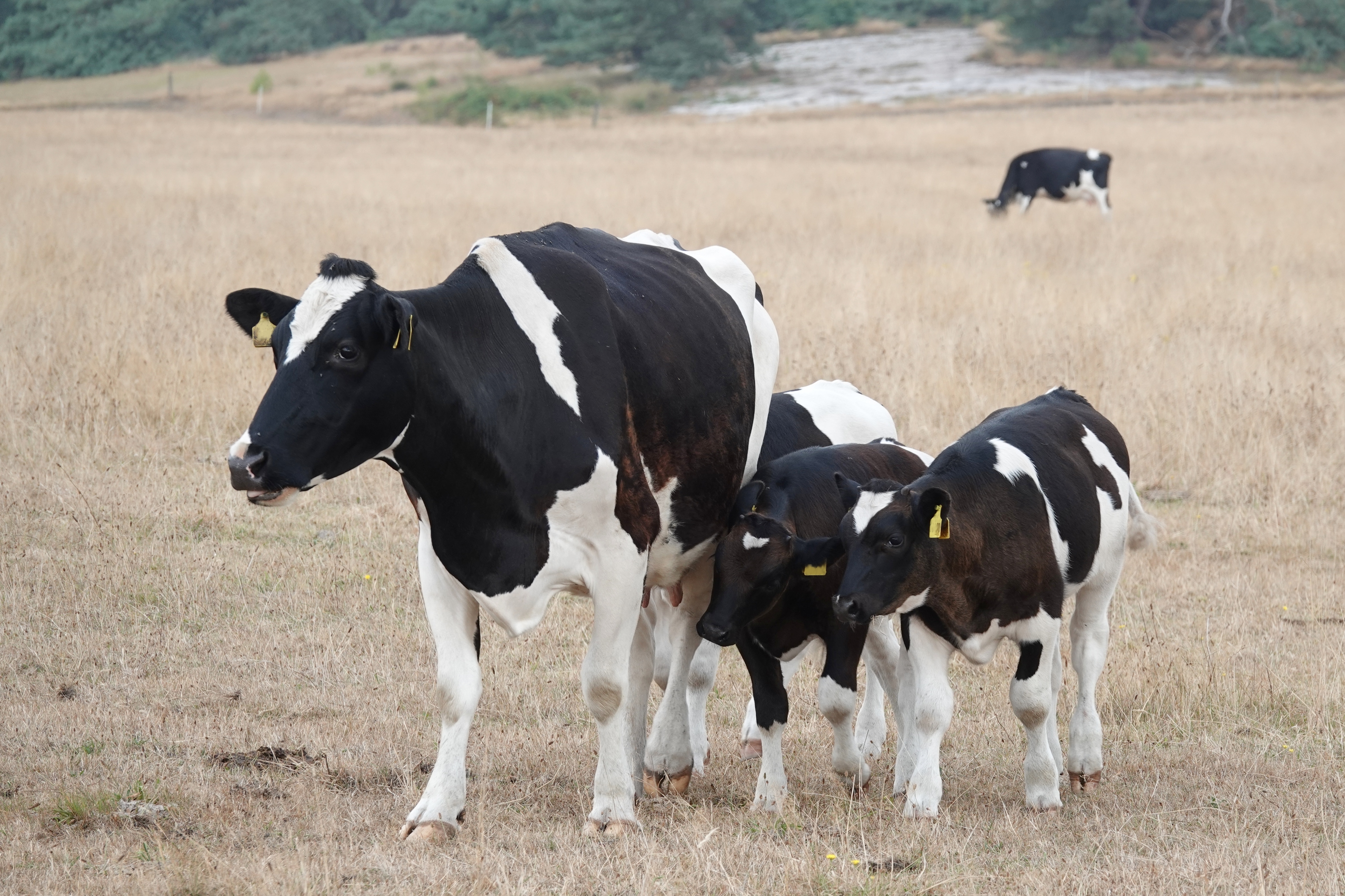
Europe’s dairy sector will remain a major production base, but climate change and the resulting rising heat stress in cows is likely to make its current geography less uniformly favorable. Regions that have historically combined productive grasslands with limited exposure to extreme heat will increasingly face pressure on cow welfare, milk yields, and the reliability of milk supply. It means the area of production is moving and climate adaptation costs are rising on a continent which already has a cost disadvantage and is consequently losing market share in world trade.
Our analysis estimates that annual heat-related milk losses across the European regions assessed could increase from around 4.5 million metric tons under today’s climate to 12.2 million metric tons around 2050 under a high-warming scenario. The impact will be uneven as herd composition and the degree of warming differ per region. Northern Atlantic regions remain less exposed, while major production centers in northern Italy, southern Germany, France, and Spain face a marked increase in potential losses. These losses will either lead to lower utilization rates in factories and/or costly adaptation strategies, both of which will diminish the competitiveness of regional dairy sectors, which are already under pressure globally because of the high price of production in the EU compared to other regions.
These estimates are not a forecast. They illustrate how Europe’s current dairy production base could perform in a warmer climate if herd size, productivity, breed composition, and heat-management practices remain unchanged. Climate adaptation can limit the impact, but maintaining production and competitiveness will require action. Farmers will need to strengthen cooling, feeding, and herd-management strategies, while processors will need to support investment on farms and build greater flexibility into sourcing, infrastructure, and operations.
This is an exclusive article
Log in or sign up to request access