Research
Dutch Economic Quarterly: Economic growth will rely heavily on government and consumer spending in 2026 and 2027

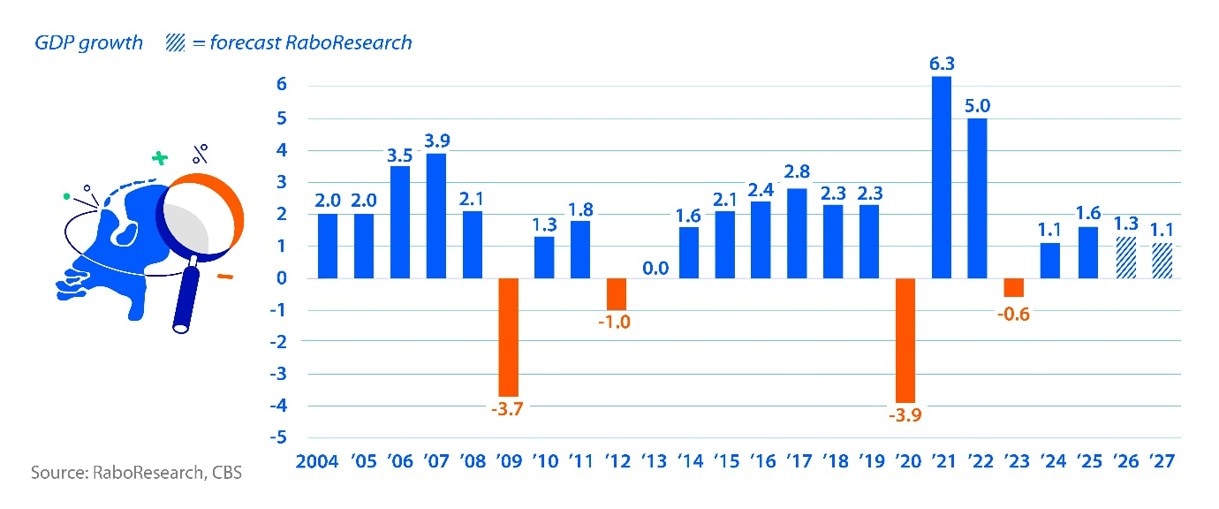
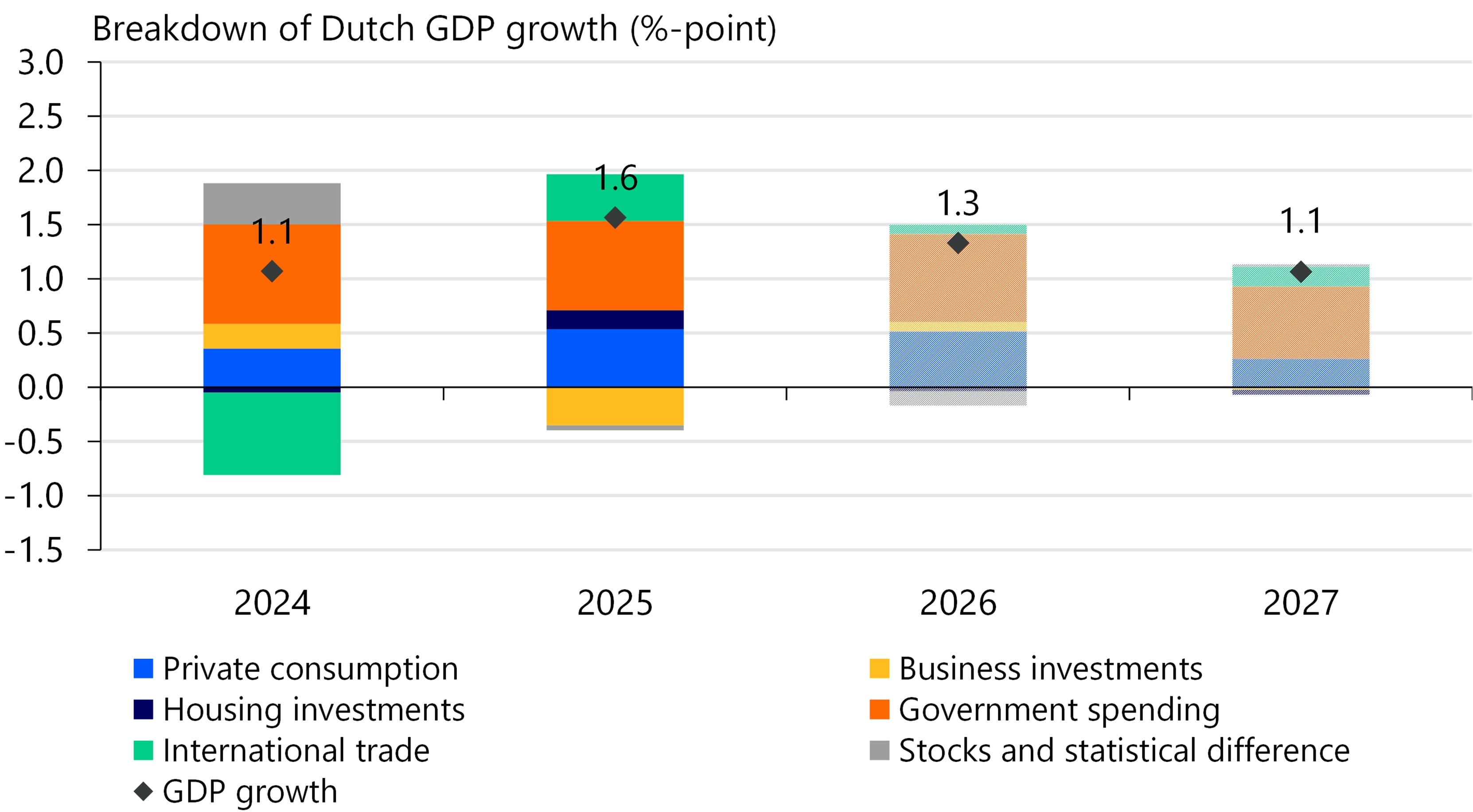
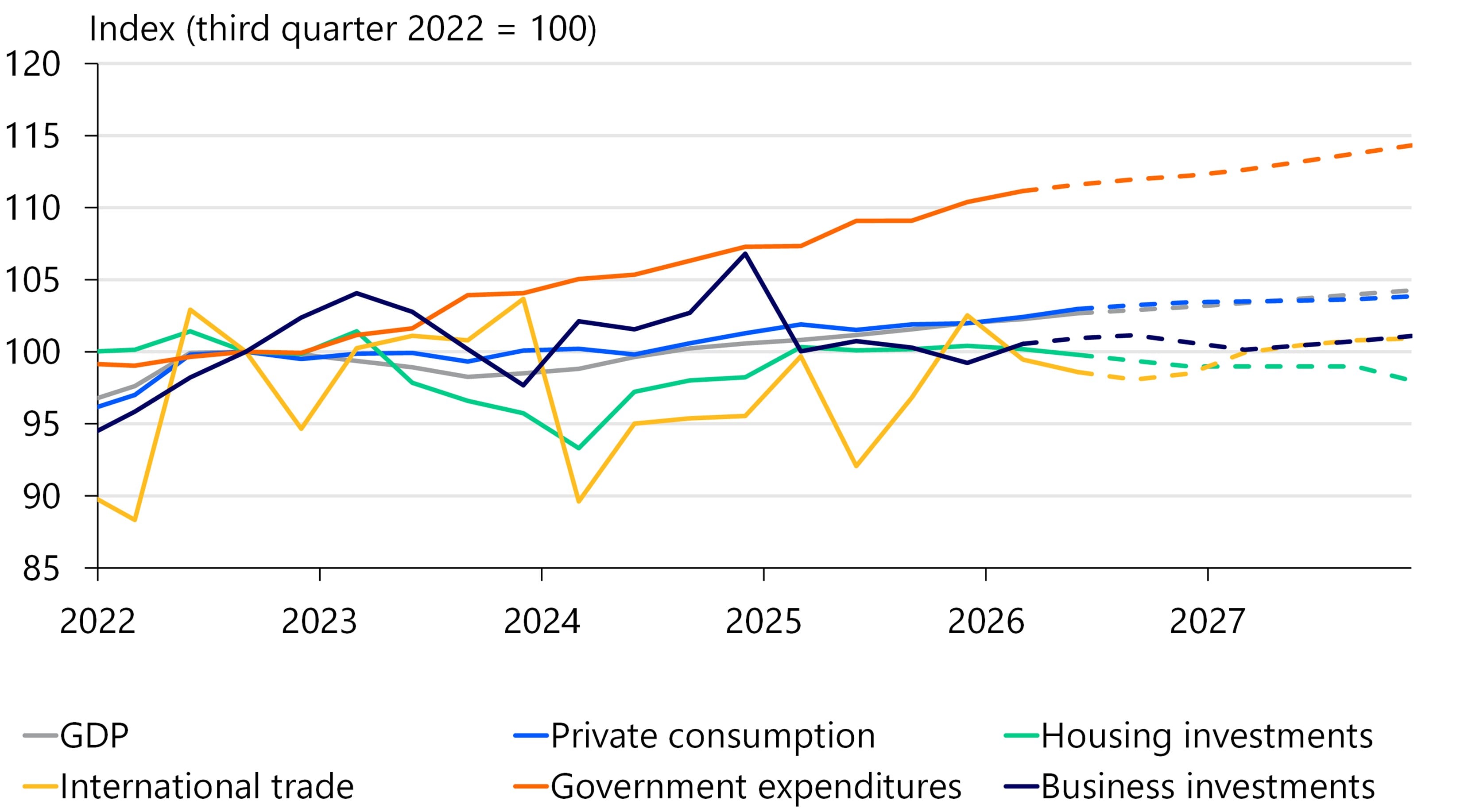
Higher household and government spending will support continued growth in the Dutch economy through the rest of 2026 and in 2027. We expect GDP to grow by 1.3% in 2026 and 1.1% in 2027.

Summary
Figure 1: Dutch economy expected to continue to grow
Economic outlook
Despite rising inflation driven by tensions in the Middle East and their effect on global energy markets, we expect the Dutch economy to grow by 1.3% this year and 1.1% next year. We expect unemployment to rise from an average of 4.0% this year to 4.2% in 2027. Our forecast assumes a prolonged standoff between the United States and Iran over the Strait of Hormuz. Energy prices therefore remain elevated for longer and increasingly feed through to the cost of goods and services. As a result, inflation will remain relatively high over the coming years, averaging 2.8% this year and 3.4% in 2027. Uncertainty remains substantial, and both escalation and deescalation could materially alter the economic outlook.
Domestically, political developments pose the greatest risk to our forecasts because the Jetten government lacks a majority in either house of parliament. The final scale and timing of government expenditure – which we currently expect to contribute significantly to economic growth this year and next – are therefore still subject to change.
Table 1: Outlook for the Dutch economy
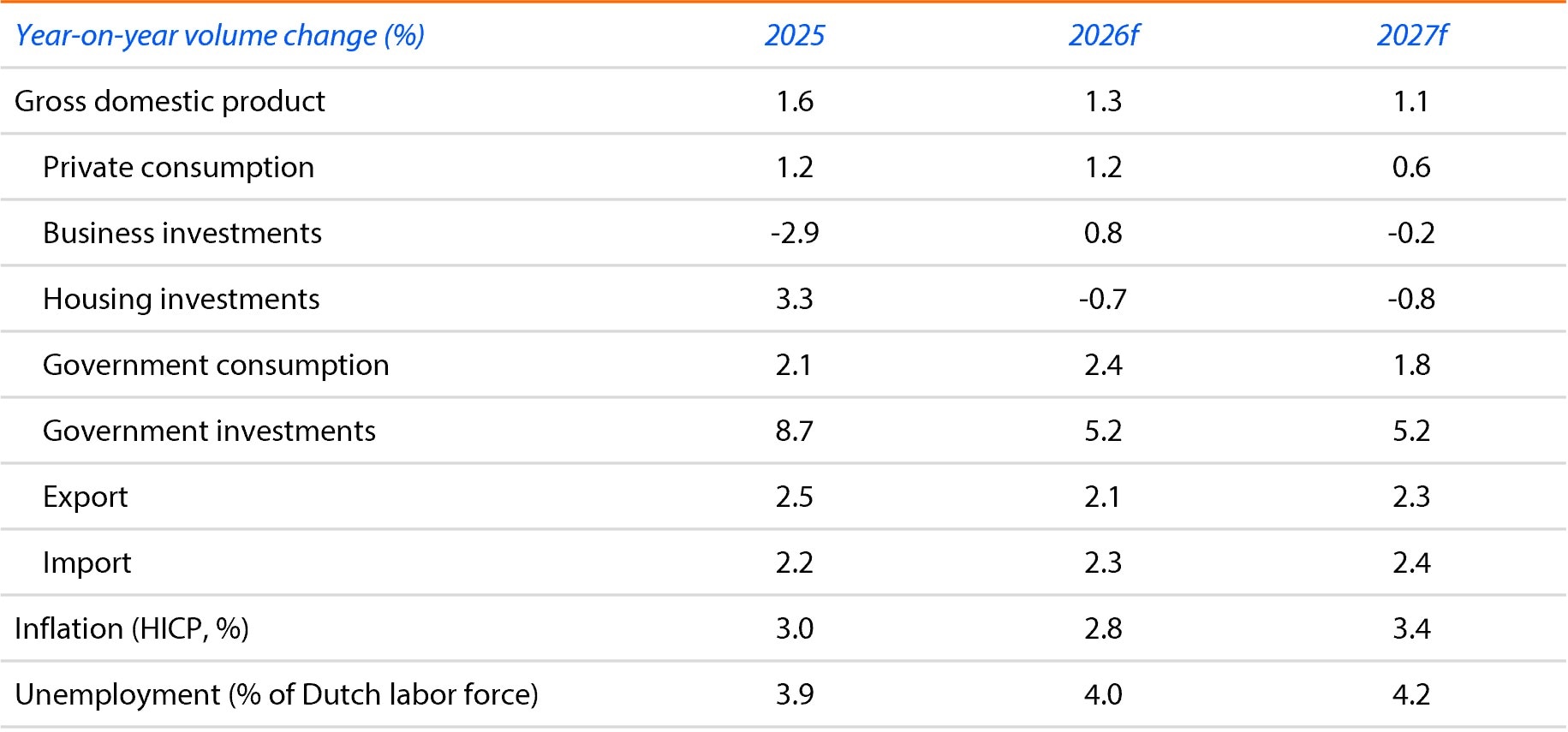
Figure 2: Households and government spending will drive higher economic activity
Average consumer expected to spend more this year
Adjusted for inflation, Dutch consumers are expected to buy 1.2% more goods and services this year. This mainly reflects further gains in purchasing power, which we expect to rise by 0.9% this year. In our forecast, collectively agreed wages will increase by 4.2% in 2026, considerably faster than prices, which we expect to rise by 2.8% this year. Unemployment will also remain relatively low, partly because labor supply is stagnating, averaging 4.0% this year and 4.2% next year (see figure 3). This will support consumer spending.
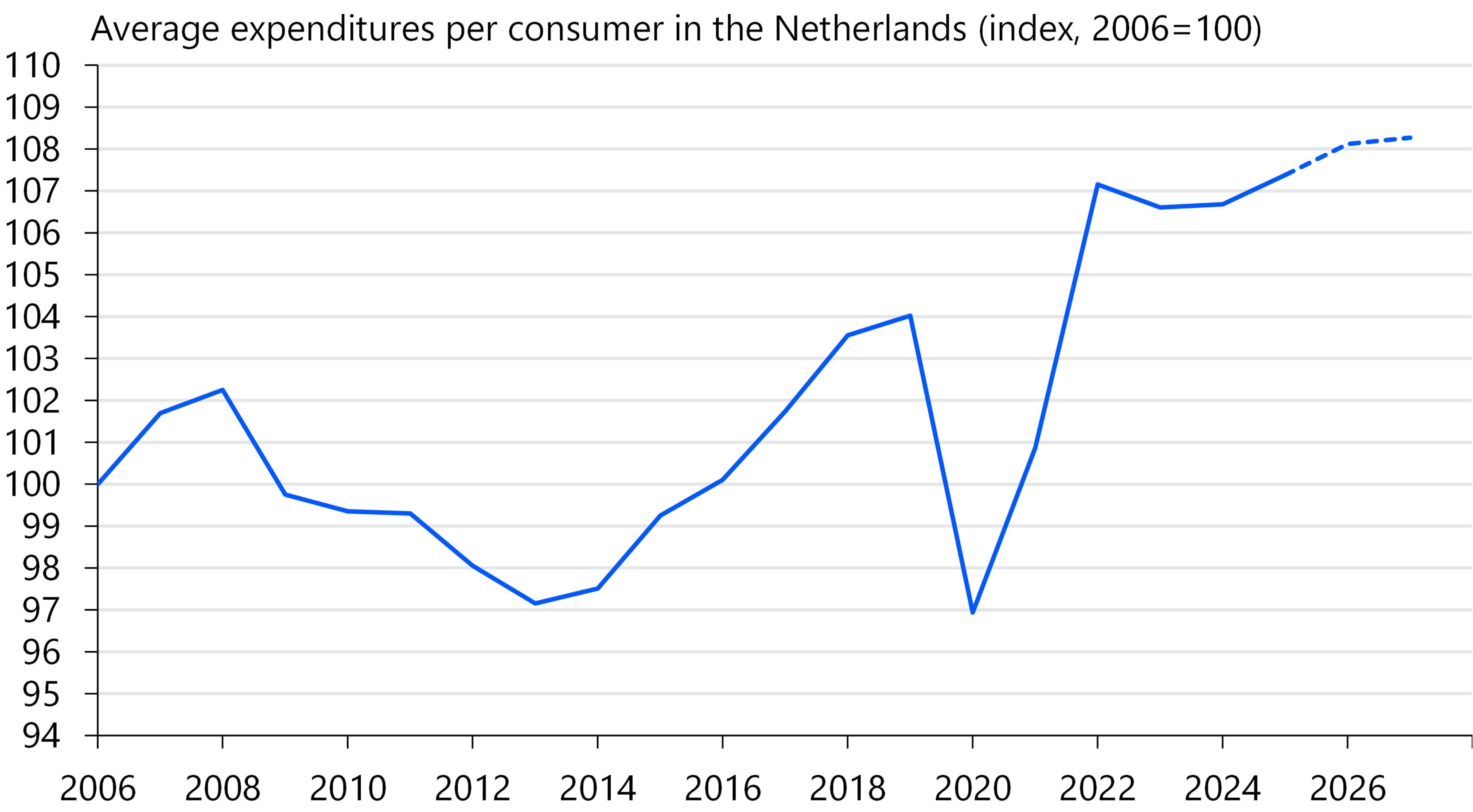
The consumer base has expanded. According to Statistics Netherlands, the Dutch population has grown by almost 0.5% since 2025. That alone raises total consumer spending in 2026. However, our projected consumption growth for 2026 is well above that population growth, indicating that spending per person will also increase this year (see figure 4). In 2027, spending per person will grow more slowly. We expect consumer spending to increase by 0.6%, only slightly faster than the forecast population growth of 0.5% that year.
In 2027, conflict in the Middle East will push inflation to an average of 3.4%, while collectively agreed wages are forecast to grow by 4.2%. Planned tax increases will leave purchasing power 0.6% lower by our estimate, slowing growth in household spending.
Figure 3: Unemployment expected to rise modestly
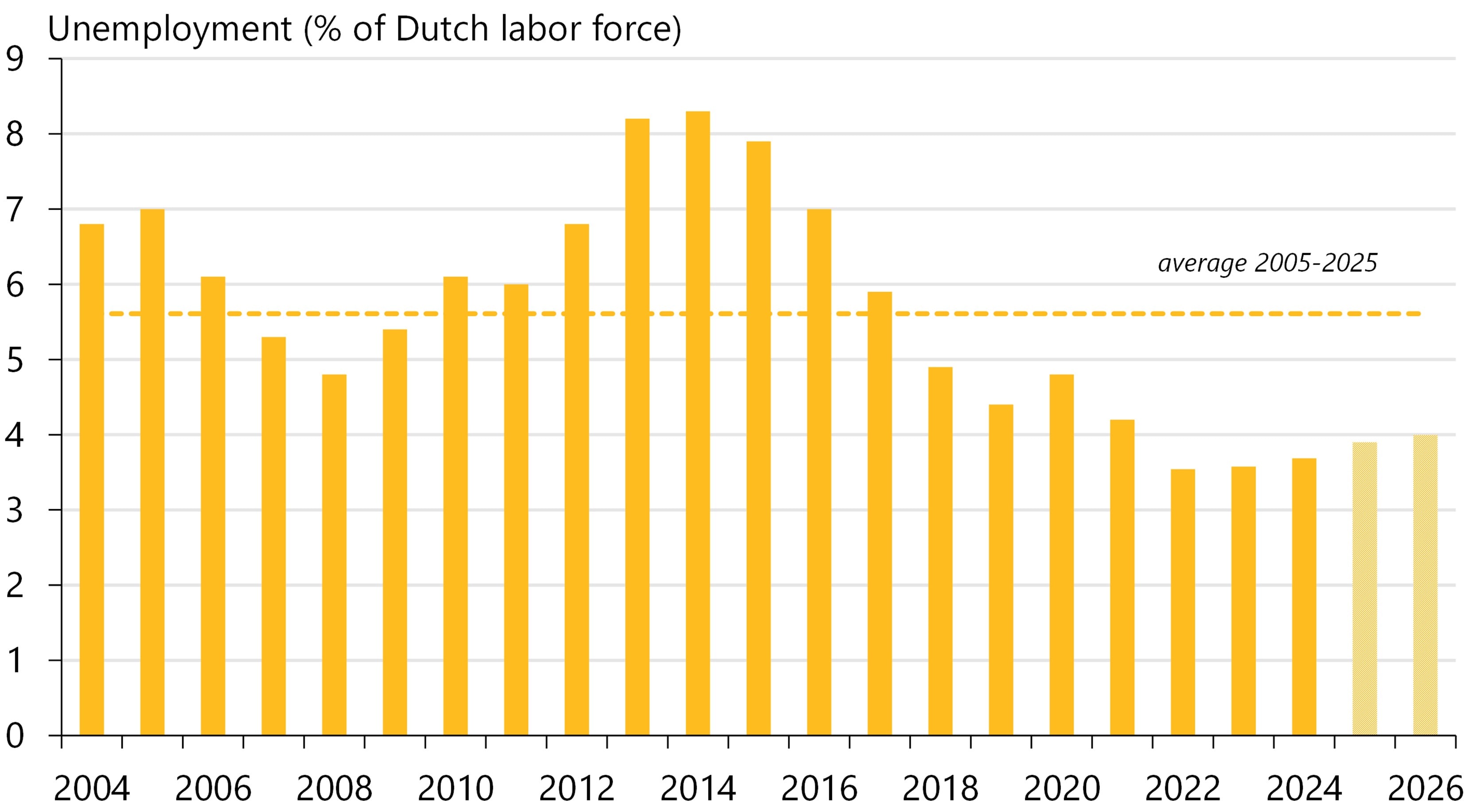
Figure 4: Average spending per person rises
Business investment expected to stagnate
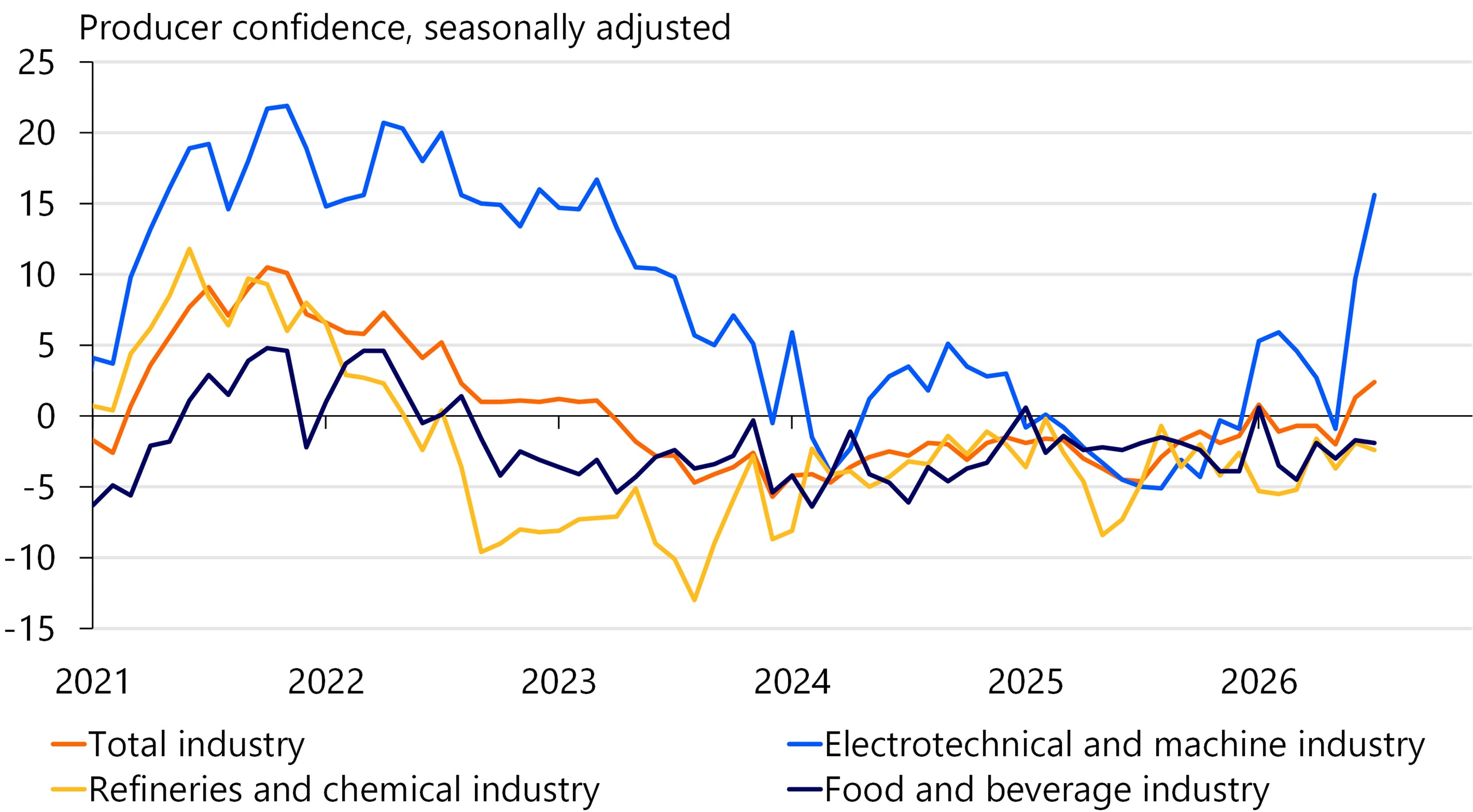
After contracting 2.9% in 2025, we expect business investment to stagnate on balance this year and next. We forecast growth of 0.8% this year, followed by a 0.2% decline in 2027. Despite uncertainty surrounding the Middle East, producer confidence in manufacturing has recovered slightly in recent months, driven mainly by optimism in the electrical engineering and machinery industries. This is the first time the indicator has risen above zero since spring 2023.
However, inflation caused by the situation in the Middle East has pushed up both short- and long-term interest rates, making investment more expensive (see also “Higher interest costs on public debt due to geopolitical turbulence and a changing debt structure”). At the end of August, the five-year euro swap rate was over 0.8 percentage points higher than the year before. The war with Iran has also disrupted energy markets and increased energy costs. We therefore expect business investment to show virtually no growth after the modest recovery in the first half of this year.
Figure 5: Machinery industry nudges Dutch manufacturing toward cautious optimism
Housing investment expected to decline slightly
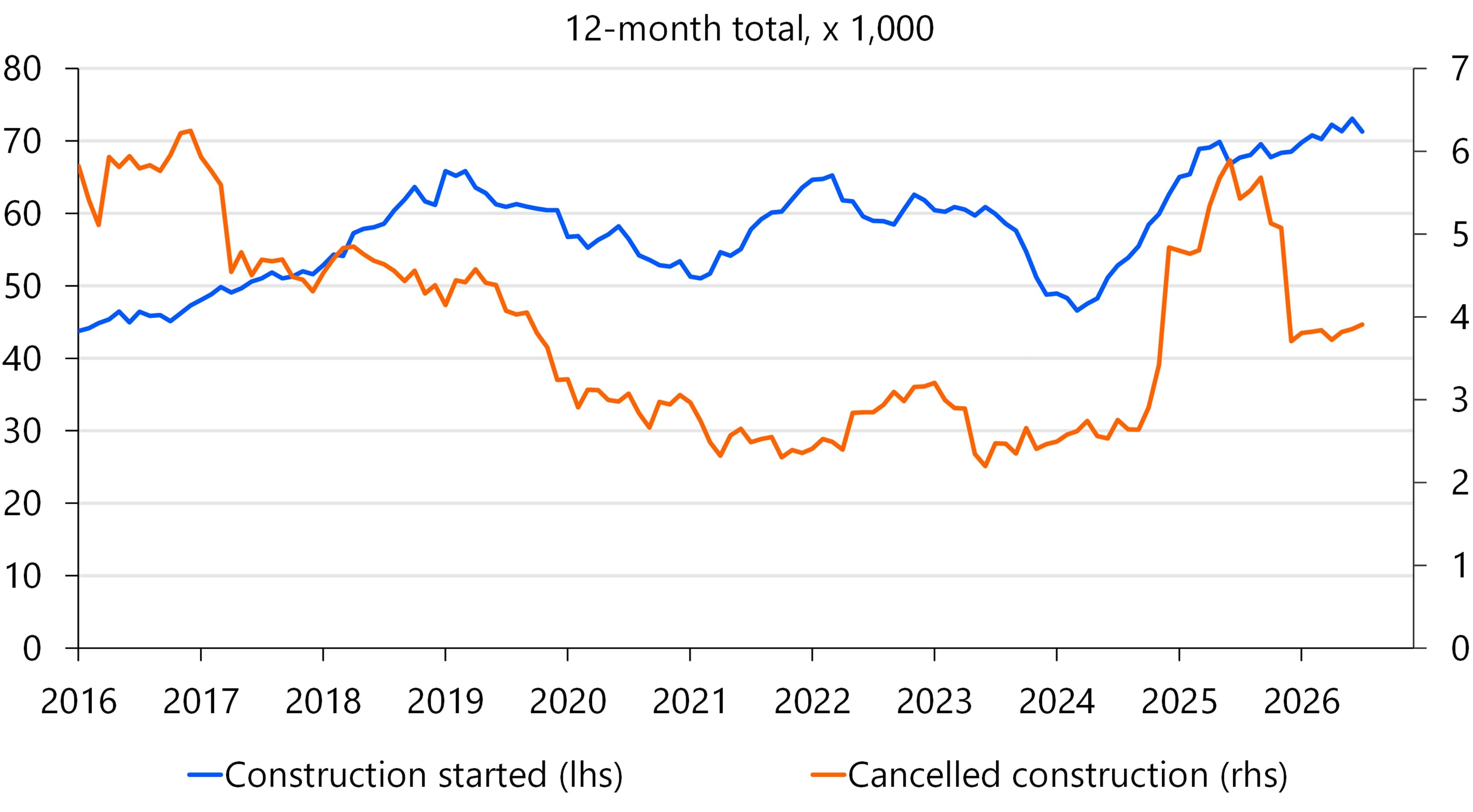
Housing investment recovered strongly last year after a sharp decline over 2023 and 2024. We do not expect that recovery to continue this year or next. For 2026, we forecast an average decline of 0.7%, followed by a further 0.8% drop in 2027. Despite a recent rebound in the number of building permits issued, the number of projects that actually begin construction appears to be reaching a ceiling (see figure 6). This likely reflects capacity constraints in the sector and a possible mismatch between supply and the types of owner-occupied homes that buyers want (see also “Nuances in assumptions about the Dutch housing shortage”). Higher interest rates linked to the situation in the Middle East are also weakening demand for new homes, while construction costs are rising. This could cause projects to be delayed or canceled. In addition, structural challenges – including electricity grid constraints and the forthcoming Water Framework Directive – are unlikely to be resolved in the near term. Together, these factors stand in the way of further construction recovery.
Figure 6: New construction appears to be reaching its limit
Government expenditure expected to rise further
Since 2022, government expenditure has grown four times as fast as private spending in relative terms (see figure 7). This partly reflects defense expansion, rising health care costs due to an aging population, and efforts to address deferred infrastructure maintenance. We expect these priorities to continue driving strong growth in government expenditure over the coming years. We forecast government consumption – including the deployment of civil servants and military personnel – to rise by 2.4% this year and 1.8% in 2027. We expect government investment, including infrastructure and defense equipment, to increase by 5.2% in both 2026 and 2027. This outlook remains uncertain because the current government lacks a majority in both the House of Representatives (Tweede Kamer) and the Senate (Eerste Kamer). The government will therefore likely need to make concessions to opposition parties, which could alter the final measures and their timing. In addition, higher interest rates in recent years will place increasing pressure on the government budget (see also “Interest rate risks on public debt”).
Figure 7: Government expenditure expected to rise sharply
Trade surplus remains stable, supported by AI boom
We expect the foreign trade surplus to grow modestly over the coming years because exports will increase slightly faster than imports in absolute euro terms. In relative terms, however, imports will actually grow somewhat faster. For 2026, we forecast export growth of 2.1% and import growth of 2.3%. For 2027, we expect exports to rise by 2.3% and imports by 2.4%. Higher household and government spending will drive import growth because a substantial share of this spending goes toward foreign goods and services, including planned investment in defense equipment.
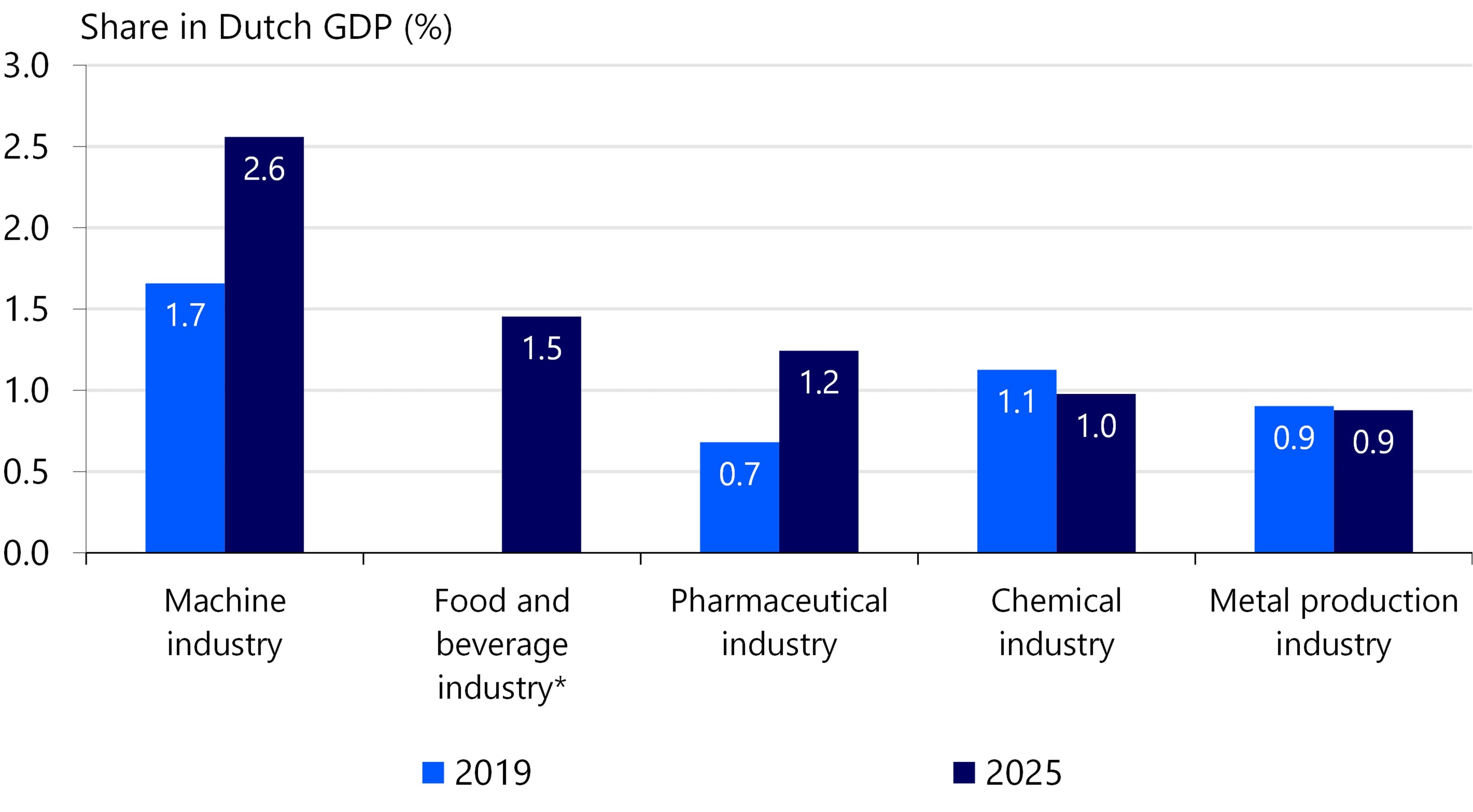
At the same time, we expect consumers, businesses, and governments in key trading partners to spend more, partly on Dutch products and services. The Dutch chip industry appears to be benefiting from the AI boom, which is driving strong demand for chips and chipmaking equipment. Part of the pharmaceutical industry is benefiting from growing global demand for healthcare and a relatively strong international competitive position. The economic weight of these two subsectors has therefore increased substantially since 2019, the final year before the Covid-19 pandemic (see figure 8). For now, this more than offsets the modest decline in other large sectors, such as chemicals and metals, which face above-average exposure to higher energy costs.
Figure 8: Dutch manufacturing carries greater economic weight