Research
Climate change urges the food supply chain to adapt



Farmers can increase the climate resilience of their farming systems, but can’t do it alone. The cooperation of stakeholders in the food supply chain is crucial.
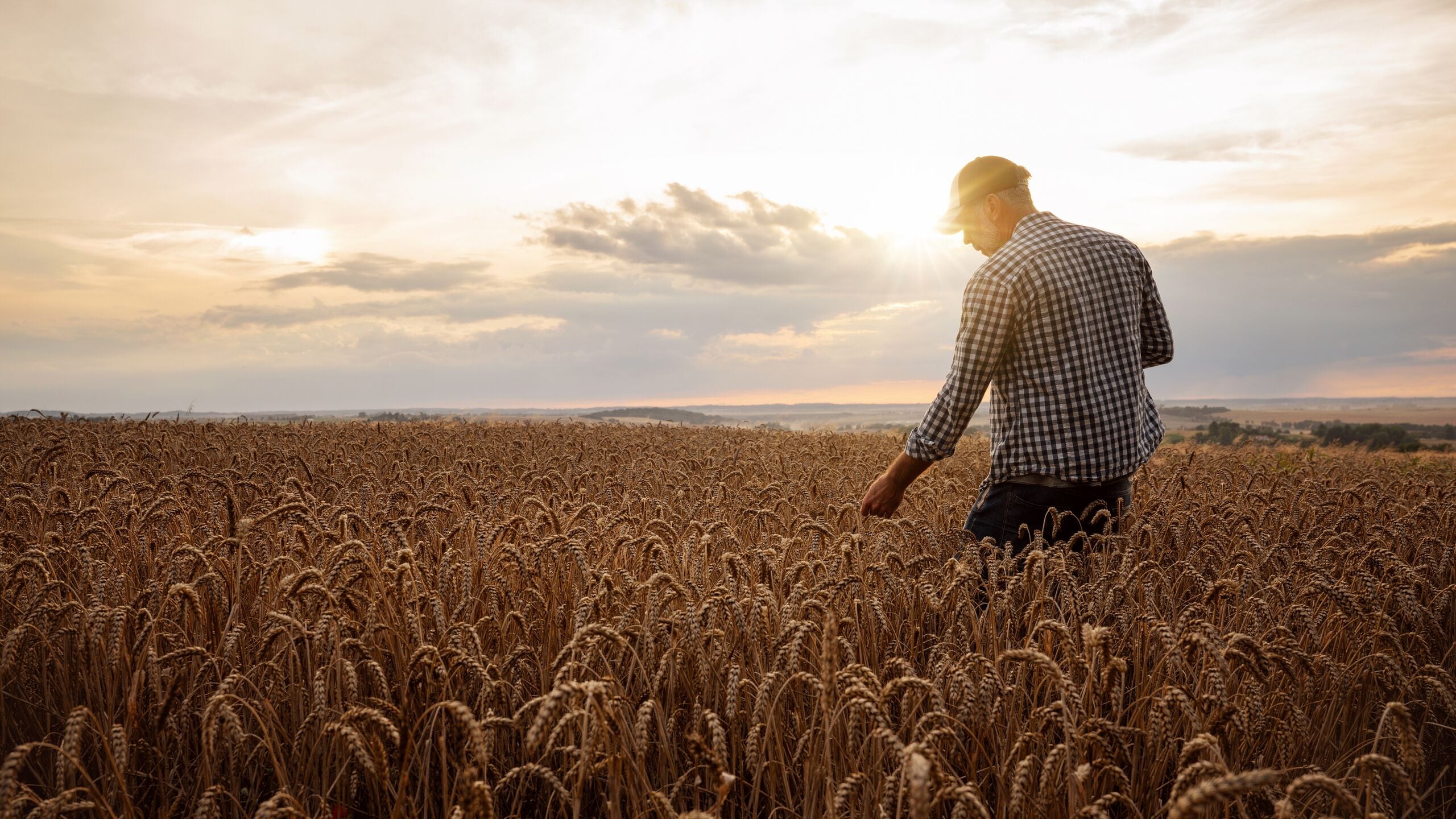
Climate adaptation is possible. Farmers have various strategies to increase the climate resilience of their farming systems, from reducing their exposure to transformative practices. In some regions, the adoption of drought-tolerant crop varieties and the adjustment of planting seasons have resulted in positive yields trends. But why is this necessary?
Global crop productivity is 21% lower than it could have been without climate change, which has already wiped out over seven years of improvements in agricultural productivity over the past 60 years.
Climate change will continue to increase, as will the frequency and severity of climate events. The speed, degree, and impact will vary across regions and farming systems, and will have positive and negative, and direct and indirect effects on agricultural production.
Introduction of adaptation practices will require investment, time, and knowledge, and farmers cannot bear the risks alone. Cooperation with stakeholders in the food supply chain to split the costs and share the risks will be crucial, as farmers generally bear lower margins and higher price volatility.
Companies are already working with farmers to promote sustainable agriculture and reduce their supply chain GHG emissions. They should also support farmers in adapting their practices toward more climate-resilient farming systems.