Research
The future of egg value chains: How data, digital tools, and smart, connected systems will reshape the industry

The next phase of innovation in the egg industry is not just about sensors, automation, or AI. It is about connecting data across the value chain to improve decisions, align supply with demand, and unlock new efficiencies. Businesses that combine production expertise with strong digital and data capabilities will be best positioned to compete in the decades ahead.
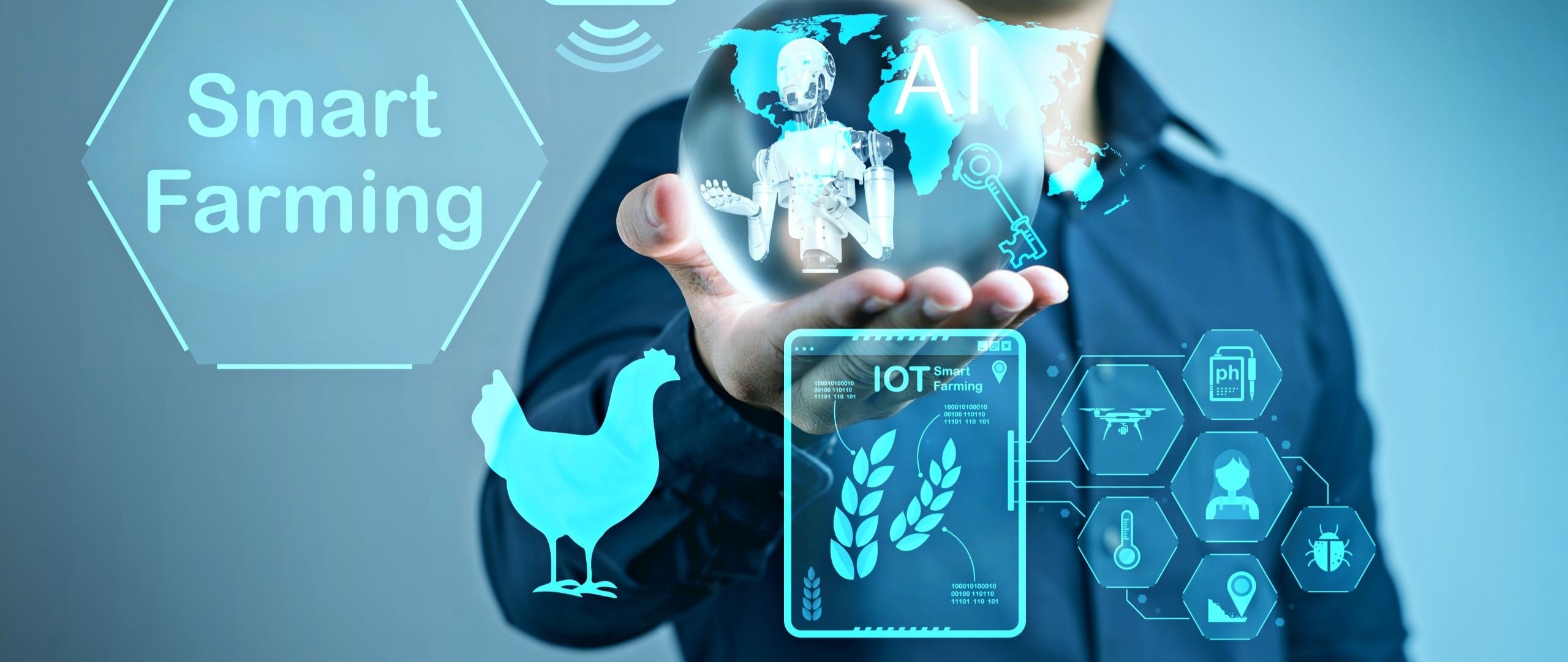
The global egg industry has increased efficiency and built substantial value over decades through advances in genetics, nutrition, animal health, housing and farm management, as well as improvements further down the chain. Those foundations remain essential and will continue to determine flock performance, egg quality, animal health, and production efficiency. The industry is now entering a phase in which smart technologies, automation, data systems, and artificial intelligence are becoming production assets in their own right.
Digitalization in the egg sector is still at an early stage, and adoption varies by region, production system, company size, and level of integration. The operating environment is changing quickly: Labor is harder to find, disease risk remains high, and feed and energy costs are volatile. At the same time, expectations around sustainability, animal welfare, and transparency continue to rise. Together, these developments strengthen the case for technology-enabled production.
The future is not one in which technology replaces production expertise. It is one in which smart technology and data complement production excellence and human judgement. Sensors, computer vision, robotics, and automation can improve labor efficiency, operational consistency, and energy use while strengthening health monitoring, welfare assessment, egg quality and grading yields, and traceability. Data platforms and AI can connect these capabilities and support more predictive decision-making.
The strongest opportunity emerges when technologies are connected across the value chain. Information generated across the chain – from genetics and hatcheries to logistics and retail – can increasingly feed back into better decisions, moving the industry from reactive operations toward more connected and predictive value chains. Realizing this potential depends on how effectively the industry connects its operational data and develops shared approaches to data ownership, governance, and interoperability. Fragmented, company-by-company solutions limit the value that connectivity can create.
In practice this is harder than it sounds. Much of the relevant data already exists but sits in systems that were not built to work together. Demand-driven supply, which connects flock forecasts, grading results, inventory, and customer demand into one planning chain, is one of the clearest illustrations of what becomes possible when data systems are connected.
RaboResearch worked closely with the World Egg Organisation (WEO) plus a dedicated group of egg industry experts representing different disciplines and regions to develop perspectives on this topic. This report is the second joint publication following the World Egg Industry Outlook 2035, which was published in 2025.
Digitalization in the egg sector is still at an early stage, and adoption varies by region, production system, company size, and level of integration. The operating environment is changing quickly: Labor is harder to find, disease risk remains high, and feed and energy costs are volatile. At the same time, expectations around sustainability, animal welfare, and transparency continue to rise. Together, these developments strengthen the case for technology-enabled production.
The future is not one in which technology replaces production expertise. It is one in which smart technology and data complement production excellence and human judgement. Sensors, computer vision, robotics, and automation can improve labor efficiency, operational consistency, and energy use while strengthening health monitoring, welfare assessment, egg quality and grading yields, and traceability. Data platforms and AI can connect these capabilities and support more predictive decision-making.
The strongest opportunity emerges when technologies are connected across the value chain. Information generated across the chain – from genetics and hatcheries to logistics and retail – can increasingly feed back into better decisions, moving the industry from reactive operations toward more connected and predictive value chains. Realizing this potential depends on how effectively the industry connects its operational data and develops shared approaches to data ownership, governance, and interoperability. Fragmented, company-by-company solutions limit the value that connectivity can create.
In practice this is harder than it sounds. Much of the relevant data already exists but sits in systems that were not built to work together. Demand-driven supply, which connects flock forecasts, grading results, inventory, and customer demand into one planning chain, is one of the clearest illustrations of what becomes possible when data systems are connected.
RaboResearch worked closely with the World Egg Organisation (WEO) plus a dedicated group of egg industry experts representing different disciplines and regions to develop perspectives on this topic. This report is the second joint publication following the World Egg Industry Outlook 2035, which was published in 2025.