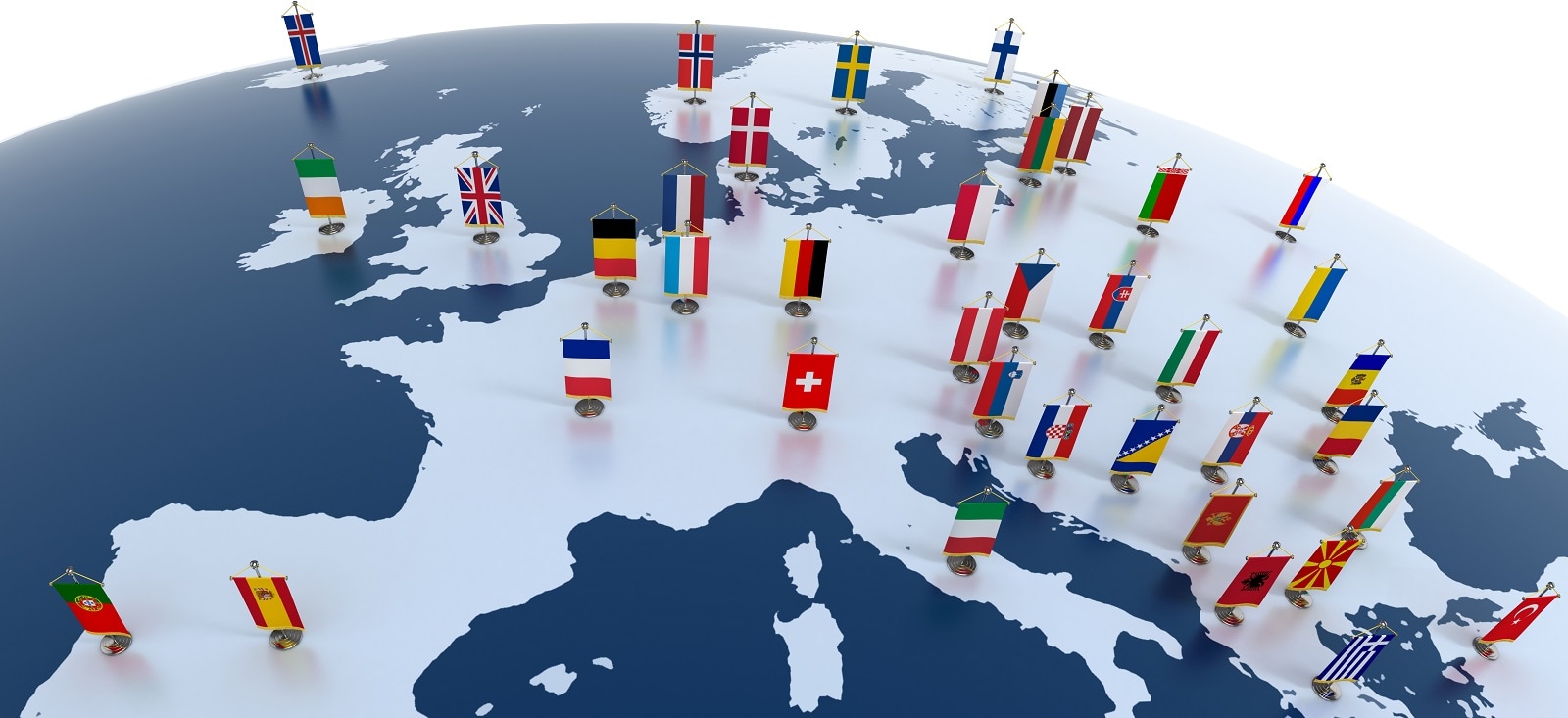
Europe
Follow key economic developments from Europe and the eurozone, with local expertise on national economies, politics, food and agribusiness, the energy transition, sustainability, and more.

When Trade Meets Economic Security
EU-China trade relationship under pressure

Exclusive Food must work harder: How Europe's aging consumers will reshape demand
Older consumers will increasingly shape Europe’s food market, raising expectations for convenience, nutrition, choice, and control.

Global daily: Unwanted, not unwarranted
Oil prices rose again yesterday, while US bond yields stabilised and the French-German bond spread inched up. The French government has yet to reassure markets.

Global Daily: Thumos-maxxing
US sovereign yields steadied yesterday as a 10-year bond auction saw strong investor demand...

Consumer Foods to Go Wrap! September 2026 edition: Japanese convenience, prices, and more
The original Consumer Foods to Go Wrap team is back! Maria Castroviejo, Tom Bailey, and Cyrille Filott discuss the key highlights from September 2026.

Exclusive Chilled convenience foods in Europe: Successful growth strategies start with local markets
Europe’s appetite for chilled convenience foods is expanding. Successful growth strategies depend less on copying leading markets than on understanding local demand.
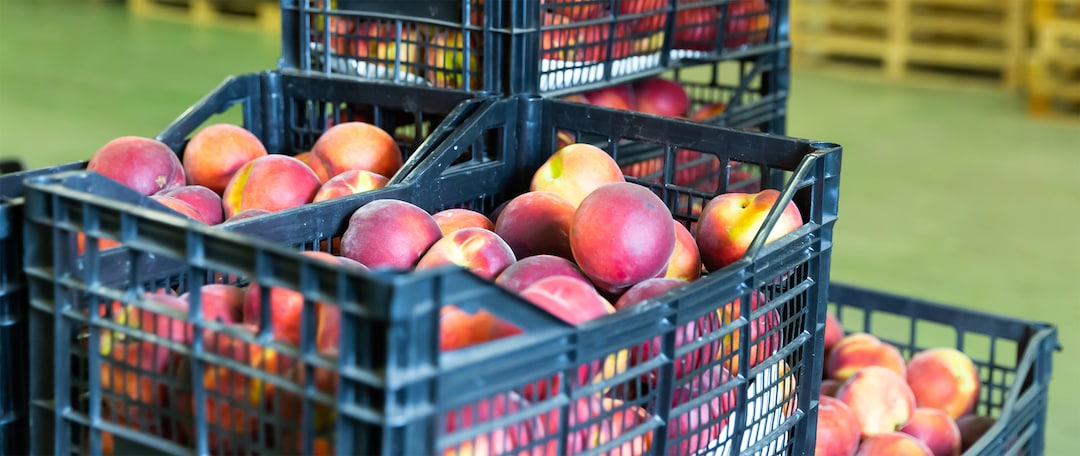
Scale or specialization: Two paths ahead for the EU fruit and vegetable wholesale sector
Scale will help some EU fruit and vegetable wholesalers succeed, while agile specialists can thrive through service, expertise, and focus.
Global Daily: Hey chat, fix my finances
European equity indices fell sharply yesterday, pacing gains in sovereign yields for France, Italy and Greece...

The great electrification of EU industry: What will it take?
Despite strong policy support and mature technologies, EU industrial electrification remains slow. The missing ingredient is a viable investment case.

Exclusive Global poultry quarterly Q4 2026: Fast growth, rising costs and volatility, increasing market divergence

What the Nordics reveal about the future of Europe’s biomethane
The Nordic biomethane experience suggests that future winners will be those who can connect the multiple services biomethane offers to the sectors that need them most.
Global Daily: All The News That is Not Fit to Price
Political and geopolitical developments again stole the headlines over the weekend, with attendant market implications...